
What to sort out before installing an EV charger
More electric vehicles on the road means more need for charging that is accessible and reliable, and for most owners that starts at home. A home charger is a move towards cleaner technology and it is convenient. Here is what to work out before you install one.

There are three broad options: trickle charging from an ordinary power point, a dedicated wall charger on its own circuit, and the DC fast chargers you find in public. For home installations the dedicated wall charger is the usual choice, because it is far quicker than a standard power point. How quick depends on both the charger and the car, but it will typically fill a battery overnight.
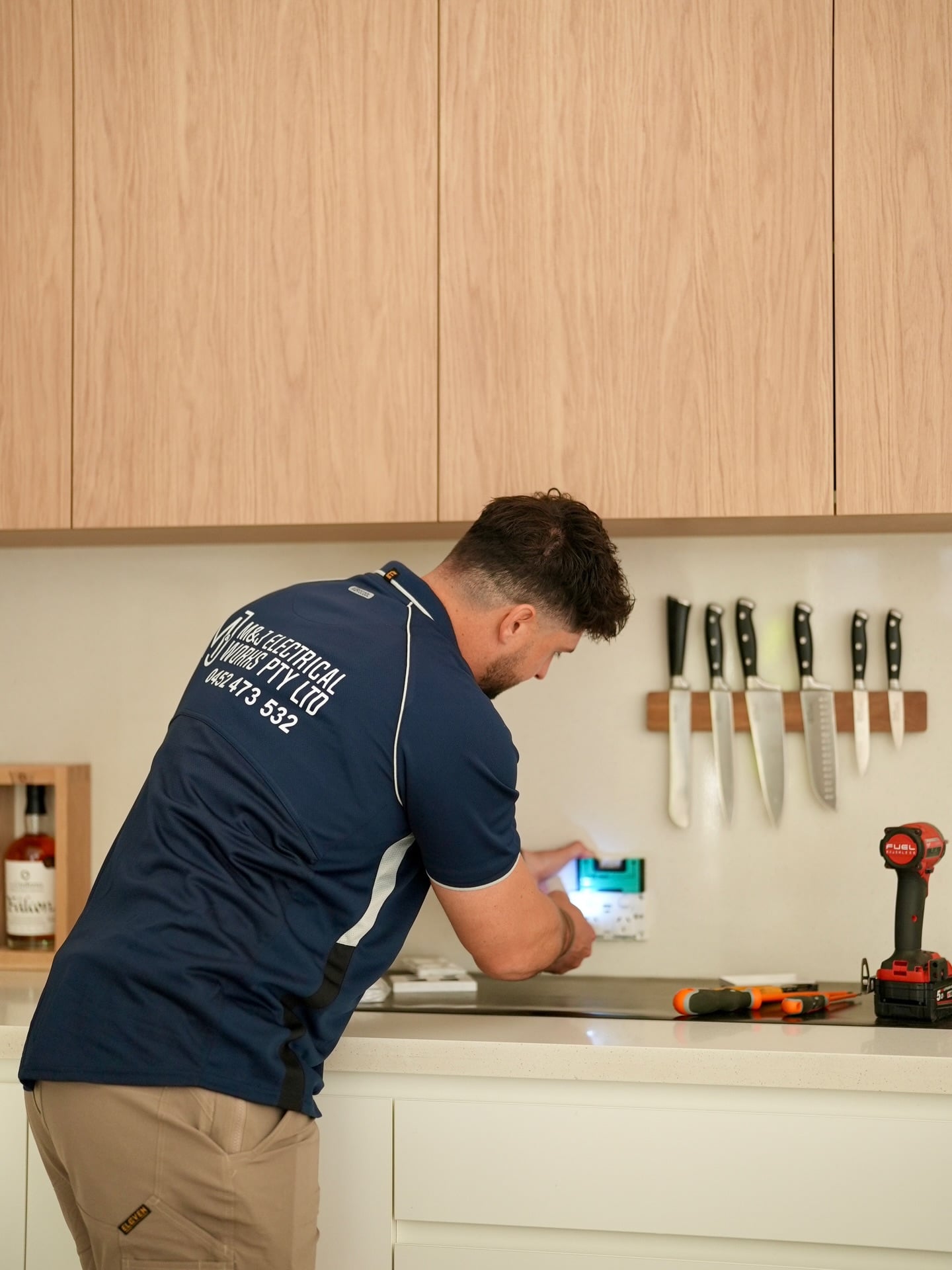
Installation has to be done safely and professionally. Have a certified electrician, such as our team at M&J Electrical Works, assess your home electrical system and confirm it can handle the additional load. What it costs varies with the type of charger, how complicated the installation is and whether any electrical upgrades are needed. Ask about rebates as well. Incentives change regularly and vary by state, so it is worth confirming what applies at the time you book rather than relying on a figure you read somewhere.
Modern chargers come with smart features such as scheduled charging, remote monitoring and integration with home automation systems.

It is worth thinking ahead too. If another EV is likely down the track, plan for it now and make sure your electrical system could handle more than one charger.
Getting yours installed
With the right information and a certified electrician on the job, putting a charger in at home is a smooth process. M&J Electrical Works can advise on the options and carry out the installation.