How to choose the right EV charger for your home
More Australians are driving electric vehicles, and a reliable charging point at home makes owning one far easier. The right charger charges efficiently and safely, and suits both your car and the way you use it. Here is what to work through before you buy.
- Start with the car. Check its maximum charging rate, which is listed in kilowatts (kW). Most home EV chargers in Australia offer 7.4 kW on single-phase power and up to 22 kW on three-phase. Pick a charger that matches or exceeds your maximum rate so you are not leaving charging speed on the table.
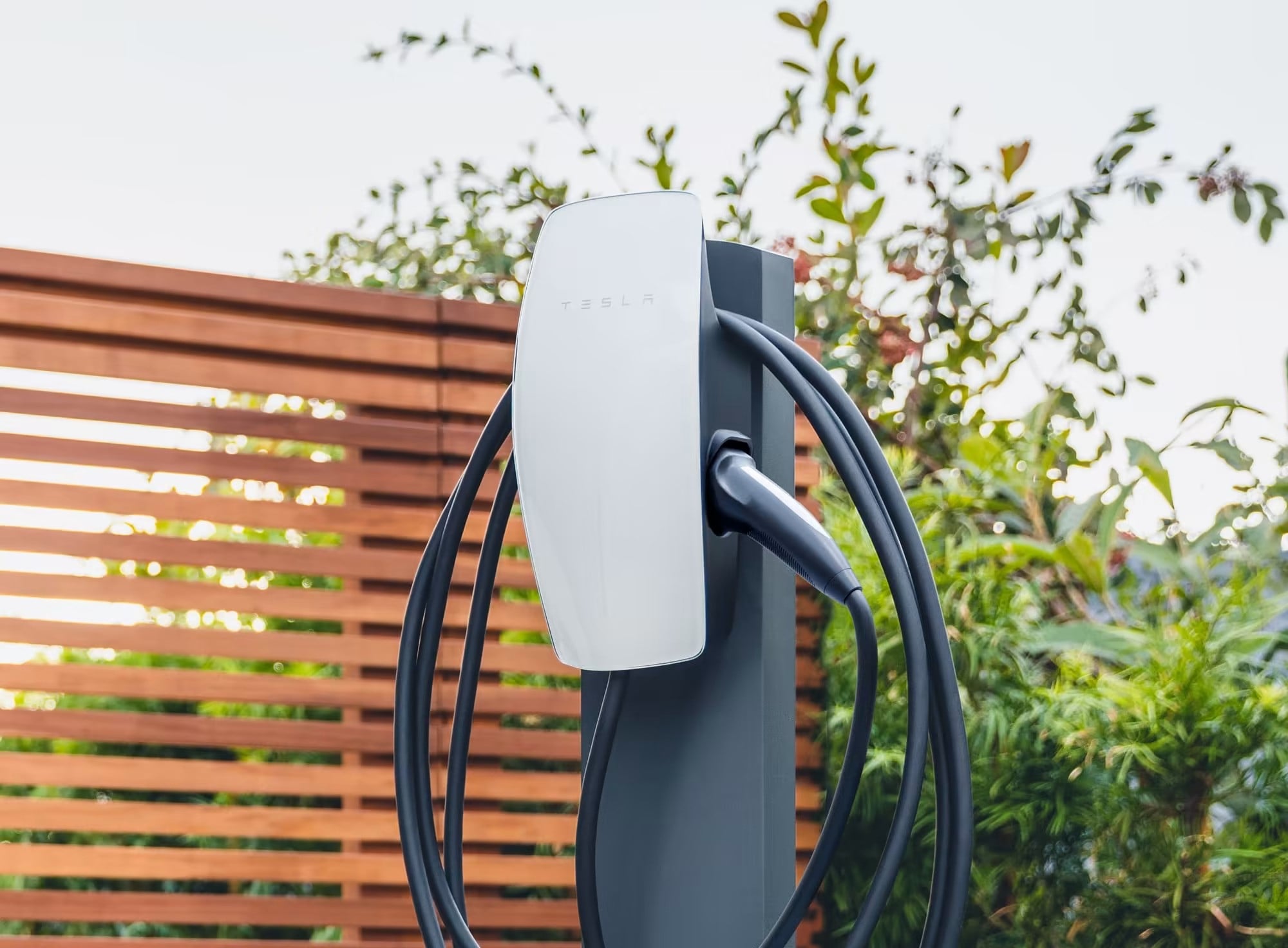
- Then decide between charging from an ordinary power point and installing a dedicated wall charger. A standard 10 amp power point charges slowly, adding roughly 10 to 20 kilometres of range an hour. A dedicated charger on its own circuit adds roughly 40 to 60 kilometres an hour, which is what makes it suited to overnight charging. For most Australian households the dedicated charger is the sensible choice.
- Work out where it is going to sit. Garages, carports and driveways are the usual spots. The closer the charger is to your switchboard, the lower the installation cost, so keep that in mind alongside how easy the unit will be to reach day to day.
- Smart features are worth a look. Chargers with Wi-Fi or Bluetooth let you monitor and control charging from a phone app. Scheduling is the genuinely useful one: set the car to charge on off-peak rates and your running costs drop.
- Safety and compliance matter more than anything else on this list. Make sure the charger meets Australian safety standards and regulations, with overcurrent protection, ground fault protection, and weatherproofing if it is going outdoors. Have a licensed electrician do the installation so the work complies with local codes and safe practice.
- Look at the total cost, not only the unit price. Installation is part of the figure. Charging from an existing power point costs nothing to set up, but the slow charge rate may not suit you. A dedicated charger costs more and gives you faster charging and extra features. Weigh that against your budget.
- Check what help is available. State and federal incentives may be on offer in Australia to offset the cost of buying and installing a charger. Ask your local authority and your utility company about rebates or grants you could be eligible for.
- Leave yourself some room. EV technology keeps moving, so a charger with more capacity than you need today will cope with a future upgrade or a second EV in the household. If your electrical system supports three-phase, a three-phase charger gives you more flexibility and faster charging later on.
Getting this right at the start saves a lot of mucking about later. M&J Electrical Works installs home EV chargers and can advise on which unit suits your car and your switchboard.